
Practical Advice

The fear of the LORD is the beginning of knowledge; fools despise wisdom and instruction. (Proverbs 1:7)

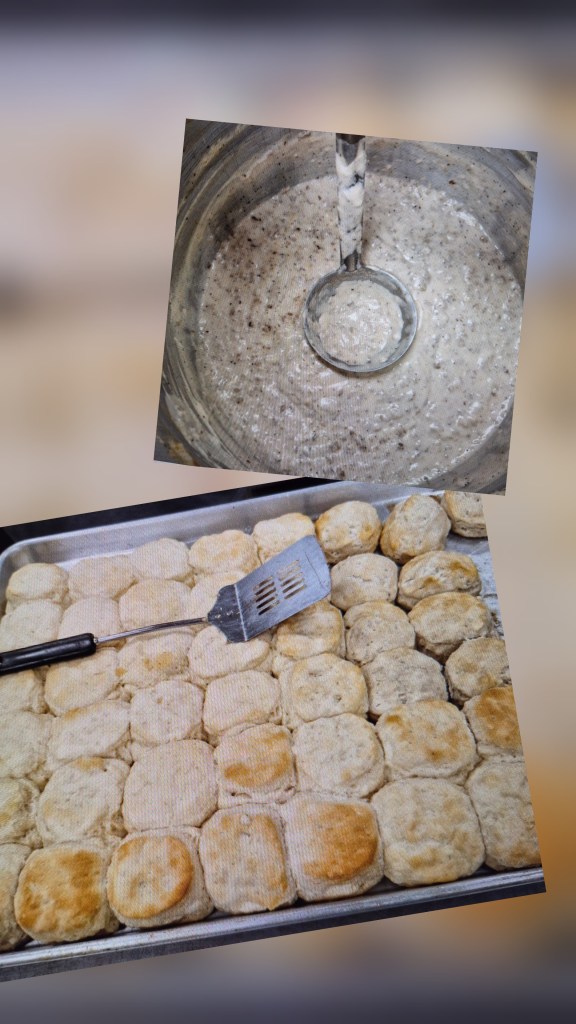
I’m just full of practical advice like, Going hunting? You might spend some time at a gun range or target practicing first. Want to lose weight? Eat things you don’t like, you’ll eat less. Want to save money? Quit spending. Things always breaking down? Try regular maintenance. You have no peace? Stop dwelling on things that you can’t fix anyway. Don’t like what some people are saying about you? Stop saying things about some people. Don’t like the rain? Be patient it will stop. Can’t sleep? Don’t take things to bed with you that don’t belong there. Your family falling apart? A family that prays together, stays together. Clothes don’t fit? Lose weight, gain weight or buy new clothes. I could go on forever, but I have more to say regarding practical advice. There is a thing called “Biblical Practical Advice.” It focuses on applying wisdom to our daily lives. Some of the key principles would be: practicing empathy, managing finances wisely, working with diligence, maintaining patience, cultivating healthy, respectful relationships. We should be better listeners than we are talkers. Learn the “Golden Rule” do unto others as you would have them do unto you. Don’t speak disrespectfully about others. Don’t take revenge on those that have wronged you, instead show kindness whenever possible. Work like your working for the Lord. Be like the ant in (Proverbs 6:6-8), be faithful in small things, baby-steps. “I am a BABY-STEPPER.” Stop trying to impress everyone, focus on impressing the One who matters. Be patient, it builds character and it shows God is in control not you. Avoid arrogance, “Do not cast the first stone” and be honest about your own mistakes before criticizing others. Use your personal gifts to benefit others rather than for selfish gain and actively forgive others, recognizing everyone makes mistakes. Now how many of these do you think I have down? If I was to be honest, I’d say NONE. Every day I have to repent in one area or another. But, knowing all these things gives me direction on where I want to be. I can set realistic goals, ones that are obtainable. Bottom line the Bible is full of Practical Advice. It is our instruction book for life, life more abundantly. So next time you find yourself struggling in an area, open it up. Get you some good “Biblical Practical Advice” that’s also called, Wisdom.

Bread and Water

“Jesus said to them, ‘I am the bread of life; whoever comes to me shall not hunger, and whoever believes in me shall never thirst'” (John 6:35)

I just want to share a little about my Blog. When I began this, I really had no idea where it was going or who would read it and I was okay with that. I needed to write more than I needed people to read, what I did know was God was speaking to me. He first spoke the words Bread and Water to me. I knew right then that was the domain name for my Blog. I also knew I was a sinner saved by grace which in turn gave me a tagline; “Personal experiences and revelations of a sinner saved by grace.” A slogan; “Overflowing in grace” my life story. Lastly, my logo; a photo of a wall plaque a man from our church over 25 years ago had made for a housewarming gift for us; “Jesus Living Water.” All that I am writing about are things He is currently or has in the past spoken to me directly, whether through the written Word of God, or a knowing in my spirit, or by word or a sentence of words that suddenly come to mind, which usually becomes a title to a blog at some point. I love to take pictures, picture of all kinds and sometimes I look at a photo that I’ve taken and suddenly there’s a Blog. My Blog is an example of my life with Him, what it looks like in recorded form. Blogging is also a way for me to unleash some things that bring discomfort or uncertainty in my life. It allows me to focus on Him verses the chaos that is going on around me or even just in my mind. I have always been a person given to journaling; it is great therapy. It allows my mind time to sit in the silence, it brings a calm in my storm, and I hear the whisper of the Holy Spirit giving me that feeling of inner guidance. I am able to reflect on life circumstances and writing down my thoughts help me recognize spiritual insights. I feel a real heart-to-heart connection with God in these moments. A lot of the writings are personal, yet sincere conversations between me and the Lord and I feel that others can glean from them as I do, at least that is my prayer. This picture aside from what the woman looks like, is truly a picture of me, what I look like when preparing for writing a blog. I have my Bible, my 13 little notes scattered all around me, and I am sitting ever so intently listening. I also have days when I do not hear anything and it’s just a time of silence and waiting, reflecting or ruminating on a word, or a moment. This is my time. I don’t believe life allows for a lot of “MY TIME,” you just have to make it happen and cherish it like a newborn baby. Originally writing a Blog was my husband’s idea simply because he was aware of how much writing does for me. I thought, why not? I’d just like to say, thanks to him for knowing me so well, and knowing what I needed more than I did. I pray any and all who read my Blog will be blessed in some way and a big thank you for taking your precious time to read it.

Always …Everywhere

Proverbs 15:3 (“The eyes of the LORD are everywhere”)

Psalm 121:8 (“The LORD keeps watch over you as you come and go”), and Psalm 32:8 (“I will guide you with my eye upon you”). The Bible teaches that God is constantly watching over people as a protective guardian who never sleeps or looks away. Psalm 33:18 (“But the eyes of the Lord are on those who fear him, on those whose hope is in his unfailing love”). Psalms 139:1-12 describes God’s intimate knowledge of a person’s actions, thoughts, and movements, indicating he is always present. Hebrews 4:13 (“Nothing in all creation is hidden from God’s sight. Everything is uncovered and laid bare before the eyes of him to whom we must give account”).

Knowing God is watching is meant to bring a sense of peace and comfort to believers during our difficult times. Yet, it also brings about accountability; we are warned that this watchfulness means God sees everything done in secret and that people will answer for their actions, which brings me to another area of who else is watching? We should live with integrity, because the Bible also talks about others watching us. We should set a godly example to everyone; I have to repent because I miss it in this area quite often. I do want to live in such a way that when people see me, they see Jesus and that my Father in heaven would be glorified. That it would also bring encouragement to others to live a right life before the Lord, seeing God’s work being done in my life, which is a work in progress, it would bring hope to them. God is not a respecter of persons, what He is doing in my life He will do in theirs. Baby Christians: people new to their faith in God, a younger generation, they need to see our life, our actions, aligning with our claims of faith. In Hebrews 12 it speaks of a cloud of witnesses, people witnessing our life. Not only is God’s eyes ALWAYS on us, but others are watching too. We are to witness to others by doing right especially to those that accuse us of doing wrong, that they would glorify God on the day he comes to visit them (1 Peter 2:12). We are called to be an example to those observing us (1 Ti. 4:12). It is also true that some will simply watch you to find fault or catch you making a mistake, just as how spies watched Jesus to find something to use against him (Luke 20:20, Mark 12:13, Luke 6:7). This is where I will end. A Prayer: Search me, O God, and know my heart! Try me and know my thoughts! And see if there be any grievous way in me and lead me in the way of everlasting! Amen

The Heart of the Matter is the Matter of the Heart

For the Lord sees not as man sees: man looks on the outward appearance, but the Lord looks on the heart. (1 Samuel 16:7)

In the movie the Wizard of Oz, the Tin Man wants a heart to feel emotions like love, kindness and sorrow, believing that without one, he cannot love. In the beginning he explains his need for a heart and later he notes, “Now I know I’ve got a heart because it’s breaking”.

Tina Turner sings a song, “What’s Love Got to Do With It”. This was a song about anti-love, keeping relationships casual and physical, rather than emotional, to avoid heartbreak. Its focus is on, distrust, emotions driven by past pain. It’s about protecting oneself from future hurts by not allowing themselves to fall in love. The chorus: “What’s love got to do, got to do with it? What’s love but a secondhand emotion? What’s love got to do, got to do with it? Who needs a heart when a heart can be broken?” This secondhand emotion suggests that emotional intensity is less important than physical experience. Tina Turner stated in an interview in 1984 that she personally believed “love has everything to do with everything,” even though the song fit the “liberated” and faster-paced mindset of the time. The song inevitably denies the importance of emotions.

The movie is a fairytale, the song is based on an era in time, but what does God have to say about the matter of the heart? God views the heart as the center of human personality-encompassing intellect, emotion, and will-and the primary indicator or spiritual condition. As humans we tend to look at the outward appearance, God looks directly at the heart as in the Scripture (1 Sa. 16:7), which is often described as naturally deceitful, sinful, and in need of divine transformation. Scripture also speaks of the heart being wicked; filled with evil thoughts, immorality, and greed. Jesus taught that the heart is the source of all behavior, that what defiles a person comes from within, including evil thoughts, murder, and adultery. God says, he searches the heart, he tests it looking for evidence of His spirit, and then he refines it and blesses it according to our conduct; [“I the Lord search the heart and test the mind, to give every man according to his ways, according to the fruit of his deed.”] I as many of you reading this have experienced our own story of emotions on the matter of the heart. As horrible as the brokenness and the wounds that we have been carrying from the emotions of the heart are, there is GOOD NEWS. In the Word of God it says, broken hearts are not abandoned, but are the focus of His intimacy, healing, and restoration. God draws near to the brokenhearted, offering to bind up wounds, exchange the emotional ashes for beauty, and transform painful experiences into a testimony of His love and grace. He saves the crushed in spirit (Psalms 34:18). He turns sorrow into joy (Is. 61:1). No matter how shattered the circumstances of your life may seem…”preaching to myself here,” God is the restorer of the damage done. God will use these moments of brokenness to draw me and you closer to Him, a place where His strength and love abound and this is the heart of the matter.

Am I Producing?

Knowing the testing of your faith produces patience. Let patience do its perfect work, that we may be perfect and complete, lacking nothing. (Ja. 1:3-4)

Let’s turn our adversities into opportunities. Let’s become complete and whole. Let’s produce “FAITH.” Faith produces patience, endurance, and perseverance, which leads us to completeness, I want everything God has for me. Faith produces the ability to withstand hardships which in turn should mature us as believers. Eventually it will lead to good works and obedience in God, which I am steadily maturing in with each circumstance presented before me. Faith is our weapon to war against the enemy. If we have the faith to believe God is for us, who can be against us? (Romans 8:31). Battles seem to be never-ending, but with God we are more than a conqueror. It also produces peace, joy and love for others, that’s where we see the adversity turning into an opportunity. An opportunity to show the love of Christ in any given circumstance; I am still working out the kinks in that area just FYI. Faith is the foundational assurance of things hoped for, confidence to trust God’s promises. I have hope, and I trust, that’s the only reason I am still here. It is an anchor, a grounding for all future hope today, tomorrow, days and years to come. While hope is looking forward with an expectation, our faith is relying on God’s character that He is who He says He is. Faith is the inward certainty that generates the outward expectation of hope. This is where I know that I know comes in. If we will get this seeded deep inside of us, it makes it possible for us to move forward with confidence. Life allows us so many opportunities, yet I have found most require faith to do them. I don’t always feel that kind of faith. I have to stir up faith inside of me, it’s there, but I have to remind myself. Without it I am an “Udder FAILURE,” I have to pray for direction and guidance and be ready and willing to receive. God simply wants me to trust in Him, have “FAITH.” By doing it that way it is perfect, I lack nothing. That trouble situation, self-doubt, rejection, lost loved one, struggle to succeed in what I am trying to accomplish; adversity overcome. DONE! Once you have faith, the test is finished. (Hebrews 12:2), Jesus is described as the “author and finisher” (or perfecter) of our faith. Doubt and faith do not co-exit.

Afflictions …Nothing Strange About That

“It is good for me that I have been afflicted, that I might learn your statutes” (Psalm 119:71)

Have you ever felt like the short-legged dog? Life can be a real challenge at times, but scripture tells us that already. “Dear friends, don’t be surprised at the fiery trials you are going through, as if something strange were happening to you.” (1 Peter 4:12). Life is a battleground; a place we grow, learn and for spiritual refinement. Hardship and heartache are part of our journey in helping us in becoming one’s intended self, [We need to entrust our souls to our Creator and continue to do good, for He is faithful] ( 1 Peter 4:19). I sometimes wonder how people can be so saintly while going through stuff. Their demeanor will be like; walking around with this angelic kind of smile, such self-restraint, like it’s all good. I know scripture, I know God intimately, and without say’n, He obviously knows my every thought and action before I even think it or do it. I know we are all wired differently and because of that each person goes through things differently, even people of faith. I also know God has and will always provide an answer to the question or a light to lead us out of the dark if we will [“be still before the Lord and wait patiently for him …] (Psalm 37:7). But you might be one who has been waiting patiently for a long time for an answer, what now? Wait a little longer, trust and count it all as joy. What? count it all as joy?! Yep, because the Scripture says; [“when you meet trials of various kinds, for you know that the testing of your faith produces steadfastness”] (James 1:2-4). Steadfastness: the quality of being fixed, unwavering, and loyal in purpose, faith, or affection, characterized by endurance and consistency. It provides stability during adversity, builds deep trust in relationships, and, according to biblical context, produces mature faith and spiritual reward … like those who I called earlier; the saintly. And this “joy” obviously does not mean the worldly, temporal happiness. This is complete “joy in the Lord” who is sovereign over all things, including trials. So now you may ask, “why would a loving God want me to suffer? I’ve asked this question before. Again, scripture has an answer; [In all this you greatly rejoice, though now for a little while you may have had to suffer grief in all kinds of trials. These have come so that the proven genuineness of your faith …may result in praise, glory and honor when Jesus Christ is revealed] (1 Peter 1:6-7). Just so you know, God does not delight in your suffering nor in mine, but He allows suffering in order to refine our faith, to develop Christ’s character in us, and to bring glory to Himself. I don’t know who’s reading this and what you might be going through, but I do know the One who does. Scripture tells us, [“We are troubled on every side, yet not distressed; we are perplexed, but not in despair; persecuted, but not forsaken; cast down, but not destroyed”] ( 2 Cor. 4:8-9), [“God is my refuge and strength, a very present help in trouble”] ( Psalm 46:1). Then, [“Is any among you afflicted? Let him pray”] and remember to be still and wait patiently for God. Afflicted …but, not crushed! Don’t let the mud of life bury you, get up out of that grave … bathe in the Living Water and let the mud be washed away.

Four Petals

This is a symbolic reminder of the Passion; the cross at the crucifixion; Christ’s sacrifice.

Spring is here and the dogwoods are in bloom, I captured a few photos on a recent ride through the woods. Dogwood flowers symbolize rebirth, resurrection, and Christian faith. Also, representing love, purity and strength. The four petals represent the cross, the center represents the crown of thorns and the reddish notches on the tips of the petals symbolize the blood-stained nails from the crucifixion. As one of the first trees to bloom in the spring, it represents renewal and new beginnings. Due to its bloom time, the flower is used during Easter to celebrate resurrection hope. The Bible does not specify the exact type of wood used to build the cross of Jesus Christ. Olive or oak were common and readily available in the Jerusalem region during Roman times and the Roman Catholic and Eastern Orthodox tradition suggest the cross was made of three woods: cedar, pine and cypress, yet there is no direct historical evidence that the dogwood was present in the region in any sizable quantity. What I have found is a folklore surrounding the dogwood tree. The dogwood was the largest and strongest of forest trees, hence it was chosen as timber for the cross on which Jesus was crucified. After resurrection, Jesus took pity on the dogwood’s sorrow at being used for this purpose. He decreed that henceforth the tree would remain slender and twisted, unable again to be used as an instrument of execution. You will not find this story in scripture, it is for those who find poetic clarity in its imagery, seeing the dogwood blossom as a allegory that draws attention to Calvary. What we can find in scripture despite the legend are some biblical truths: Christ’s Sacrifice-“[He Himself bore our sins in His body on the tree, so that we might die to sin and live to righteousness. By His stripes you are healed.] ( 1 Peter 2:24) There was a cross. [Joseph who also was a disciple of Jesus. He went to Pilate asking for the body of Jesus, Pilate ordered it be given to him. Joseph then took the body and wrapped it in a clean linen shroud and laid it in his own new tomb, which he had cut in the rock. And he rolled a great stone in the entrance of the tomb and went away] (Matt. 27:57-60) there was a tomb. After the Sabbath, the first day of the week,[ Mary Magadalene and the other Mary went to see the tomb. There was a great earthquake, for the angel of the Lord descended from heaven, came and rolled back the stone and sat on it] (Matt. 28:1-2). Verses 5-6; [The angel said to the women, “Do not be afraid, for I know you seek Jesus who was crucified. He is not here, for he has risen. Come see the place where he lay”] and there was a resurrection day. And there we have an empty tomb and a risen Jesus! And a beautiful dogwood tree in the early spring reminding us of Christ’s sacrifice for us.

He Has Risen

He is not here, for he has risen, as he said. (Matthew 28:6)

This is not the tomb where Jesus arose from, it is a picture I took of a enormous rock while riding 4-wheelers through the mountains. Easter is just a few days away and this picture started me thinking about the tomb they had placed Jesus in. We, Christians celebrate the resurrection of Jesus Christ from the dead on the third day after his crucifixion as told in the Bible (Matthew 28:6). It signifies victory over death, sin, and the promise of eternal life, it is a celebration of the new covenant, sins are forgiven and in turn we are offered eternal life. This is our hope, hope in Jesus. Easter is celebrated on Sunday; that’s the day the Bible says Jesus rose from the dead. Easter/Resurrection Sunday is celebrated as a unique, world changing event that occurred on the first day of the week, validating the Scriptures and as tradition would have it it also marks the end of Lent. Revelation 1:18 (NIV): “I am the Living One; I was dead, and now look, I am alive for ever and ever! And I hold the keys of death and Hades”. I also was dead in my sins until I gave my life over to Jesus. He took the keys and opened the prison doors of my heart and set me free. John 11:25-26 (NIV) “Jesus said to her, ‘I am the resurrection and the life. The one who believes in me will live, even though they die'”. Because of the resurrection I have hope and assurance of my future and eternal life, and you can too. Even though this physical body, this shell will one day pass away, my spirit will live forever and ever with my Lord and Savior, for I have been redeemed. “He is risen indeed!”

Root of Bitterness

“See to it that no one misses the grace of God and that no bitter root grows up to cause trouble and defile many.” (Hebrews 12:15)

Do you have some unchecked resentment, anger, or toxic attitudes that are growing beneath the surface? If so, these roots eventually will cause you emotional, spiritual, or relational damage, usually stemming from offenses, disappointments, unresolved feelings of being wronged, betrayed or unforgiveness. I assure you this force will spoil your joy and ruin your peace. In the scripture above we are warned about the trouble it will cause, a deep-seated animosity toward others around you. Like this tree the roots were under ground, you weren’t able to see them until one day they grew outward. Our bitterness is like the roots of the tree, it isn’t always seen until it produces “fruit”-outward actions like sarcasm, hostility, negativity, resentment, or bad behaviors caused from pain, jealousy, or lack of forgiveness, the list goes on and on. The consequences if left unchecked, can lead to severe anger, broken relationships, isolation, faith being challenged, even physical/emotional sickness. By addressing it, bringing it to light, forgiving our offender, practicing intentional joy, and relying on grace we can overcome and rid this root once and for all. This is not just a personal feeling, it spreads and it affects others. As I sit here ruminating on this root I realize how many times I have dealt with this in my life and as easy as it is to write what I know to be true, it sometimes is hard to follow, that’s why I need grace. I need the Holy Spirit, my Paraclete, my Helper. Jesus promises me an “Advocate,” “Helper,” “Counselor” in John’s Gospel to be present with me forever. He is the One who comes alongside, indwelling in me offering guidance into truth, comfort, and strength, never leaving me alone instead making it possible for me to overcome. This is where I find myself being honest with God and myself admitting my anger and forgiving the offender. This is where I stop the ruminating on the offense and move past. This is where I replace negative thoughts with gratitude for the positive aspects of my life. This is where the good fruit grows.

By the Grace of God

But by the grace of God, I am what I am, and his grace toward me was not in vain. (1 Corinthians 15:10)

God’s grace has made me who I am today, just as Paul saw his conversion from “persecutor” to “apostle to the Gentiles” to be a free and wholly underserved gift of God. I to have been set free through the salvation provided for me through the precious blood of Jesus. Sin has a way of creeping in, and God has provided a way to be freed from it. Easter is approaching and I have had Jesus on my mind and just what all He endured for me to have this freedom. Many years ago, an evangelist came to my home church and his message was titled, ‘The Price Has Been Paid.” I was a new Christian at the time, so I was just learning of this thing called forgiveness of sins and how, who and what all could be forgiven. This message was so intense in how he described what Jesus went through, from the drinking of the cup, what all was in that cup, to the way to the cross and finally on the cross. By the time he finished his message I was bawling. I couldn’t believe God would allow His Son to go through all of that for me. I knew I was a sinner in need of a Savior, but I never expected my Savior would have to pay such a price as that. As a mother I have sacrificed. As a wife I have sacrificed. As a friend I have sacrificed. I have never sacrificed like that. I remember the one area of forgiveness I was struggling most in was, forgiving myself. At that time, I had a knowing that God had forgiven me, others had forgiven me, but I was hung up on forgiving myself. I felt so bad about certain things I had done in my life, but there was a part in this teaching that night about forgiving ourselves. This was the part that changed everything for me. Ivan Tait the evangelist said, “If you cannot forgive yourself, you are saying to Jesus that He didn’t pay a big enough price for your sins.” That was all it took. I knew that moment it was time to lay it down at the feet of Jesus. Since then whenever I find myself being convicted of something, I don’t hold on to it, He paid the price for me to be who I am, and His mercy and grace is sufficient (2 Corinthians 12:9). I have received that unmerited favor, I didn’t earn it, it was a free gift (Ephesians 2:8-9) free to me because He paid the price. Today again, I thank you Jesus; for what you have done for me, transforming me through your power and love.